

Creating Safer Spaces With Led Lighting for Schools
School safety is a top priority. While many focus on security systems and drills, the power of lighting is often overlooked. The proper lighting can dramatically improve visibility, deter crime, and create a more optimal learning environment. That said, this guide will discuss the specific benefits of LED lighting for schools. It will explore how LED lighting can enhance security, improve energy efficiency, and boost student performance.
1. Enhanced Visibility for Safety and Security
LED lighting is renowned for producing bright, clear, consistent illumination, significantly enhancing visibility throughout school premises. This improvement in LED lighting for schools is crucial for areas where students, teachers, and staff need to move safely, such as hallways, staircases, and outdoor walkways.
With the reduced presence of dark spots or shadowed areas, the risk of slips, trips, and falls is minimized, especially during high-traffic times like class transitions and after-school hours. Moreover, well-lit environments naturally deter unauthorized individuals from accessing secluded or restricted areas, boosting security.
2. Energy-Efficient Lighting for Long-Term Safety
LED lights are significantly more energy-efficient than traditional lighting options like incandescent or fluorescent bulbs, consuming a fraction of the power needed for similar brightness levels. This energy efficiency benefits schools in multiple ways. First, it results in lower energy costs, freeing up budget resources that can be allocated to other safety or educational needs.
More importantly, reduced power consumption means LEDs produce less heat, which lowers the risk of fire hazards caused by overheated lights. LEDs’ low heat emission and long lifespan make them a durable solution supporting both safety and sustainability, reinforcing a safe and productive learning environment without frequent replacements.
3. Improved Emergency Lighting
Emergency preparedness is vital in schools, and LED lighting is essential for reliable visibility during power outages or other emergencies. Unlike some traditional lighting solutions, LEDs can be configured to remain operational even during disruptions, especially when paired with battery backups.
This reliability is crucial for emergency signage, hallways, stairwells, and exit routes, ensuring they remain brightly lit and easy to navigate during an evacuation. LED lighting can guide students and staff to safety, reducing the likelihood of panic in stressful situations. Moreover, LED technology supports easy integration with emergency systems, automatically activating specific lights during fire alarms or drills.
4. Customizable Lighting for Safety in Various School Areas
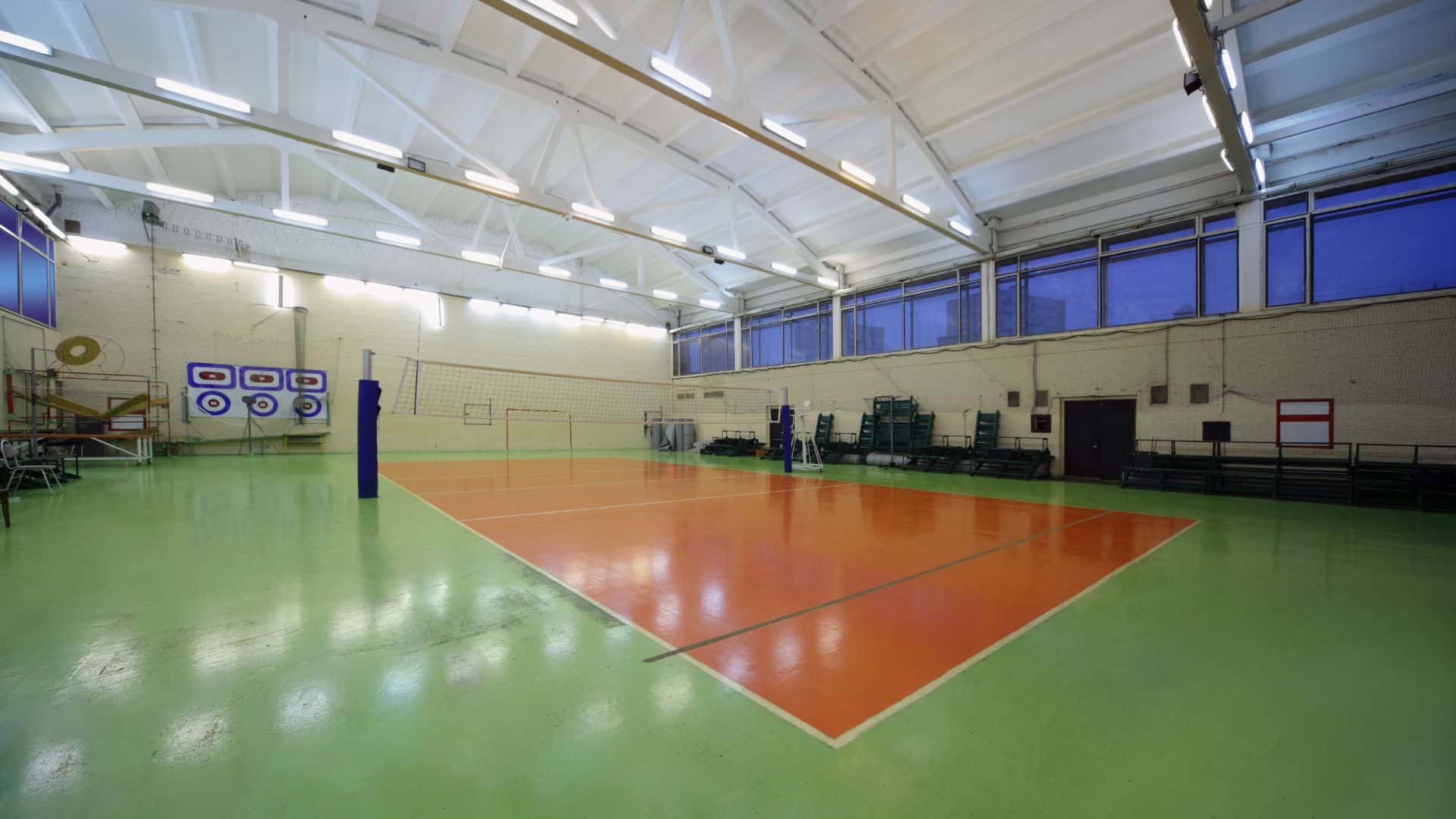
LED lighting is highly adaptable, allowing schools to adjust brightness levels and color temperatures according to each area’s needs. Classrooms, for example, benefit from warmer, softer lighting that reduces eye strain and creates a comfortable setting for focused activities like reading and studying. Gyms, auditoriums, and multi-purpose rooms may require brighter lighting to support physical activities and ensure participants can move safely.
LEDs offer the flexibility to create well-lit environments suited to various activities, enhancing safety across the board. The ability to customize lighting to different settings also promotes a healthy learning environment, as it reduces visual fatigue and improves concentration in classrooms while making outdoor spaces more secure for after-hours events or sports practices.
5. Better Control with Smart Lighting Systems
One of the modern advantages of LED lighting is its compatibility with smart lighting systems, which allows schools to automate and customize lighting controls based on schedules, motion detection, or daylight availability. For instance, motion sensors can automatically activate lights in lower-traffic areas such as bathrooms, storage rooms, or outdoor spaces only when someone is present, ensuring these areas are illuminated whenever needed for safety.
Scheduled dimming or shut-off options reduce unnecessary energy consumption by adjusting light levels according to school hours or natural daylight, creating a more sustainable operation. Additionally, smart systems can be centrally managed, making it easy for facilities teams to monitor and adjust lighting based on security or maintenance needs.
6. Reduced Maintenance for Ongoing Safety
LED lights are incredibly durable, boasting a lifespan of up to 25,000 to 50,000 hours or more. This significantly reduces the need for frequent replacements compared to traditional bulbs. In a school setting, this reduced maintenance need is a significant advantage, as it minimizes disruptions and ensures that critical areas like hallways, classrooms, and outdoor pathways remain consistently well-lit.
Burned-out bulbs can compromise safety, especially in essential areas, but with LEDs, the risk of sudden outages is significantly reduced. Additionally, fewer replacements mean reduced exposure for maintenance staff to risky tasks like working at heights or handling electrical equipment frequently.
7. Environmental and Health Benefits
LED lights offer substantial health and environmental benefits, making them a more responsible choice for schools. Unlike fluorescent lighting, which often contains mercury and other hazardous chemicals, LEDs are free from toxic materials, reducing the risk of contamination in case of breakage. This eco-friendly advantage creates safer learning environments for students, teachers, and maintenance personnel.
In addition, LEDs emit steady, flicker-free illumination, reducing the chances of eye strain, headaches, and other discomforts that can arise from prolonged exposure to inconsistent lighting. Improved school lighting quality can enhance student focus and productivity, creating a more conducive learning atmosphere.
Lastly, LED lights’ lower environmental impact aligns with sustainability goals, promoting eco-conscious practices that reflect positively on the school community and help raise environmental awareness among students.
Conclusion
LED lighting offers a brighter future for schools. The benefits are clear, from enhanced safety to reduced energy consumption. By adopting this innovative technology, schools can help create a safer, more efficient, and more inspiring educational environment for future generations.


