

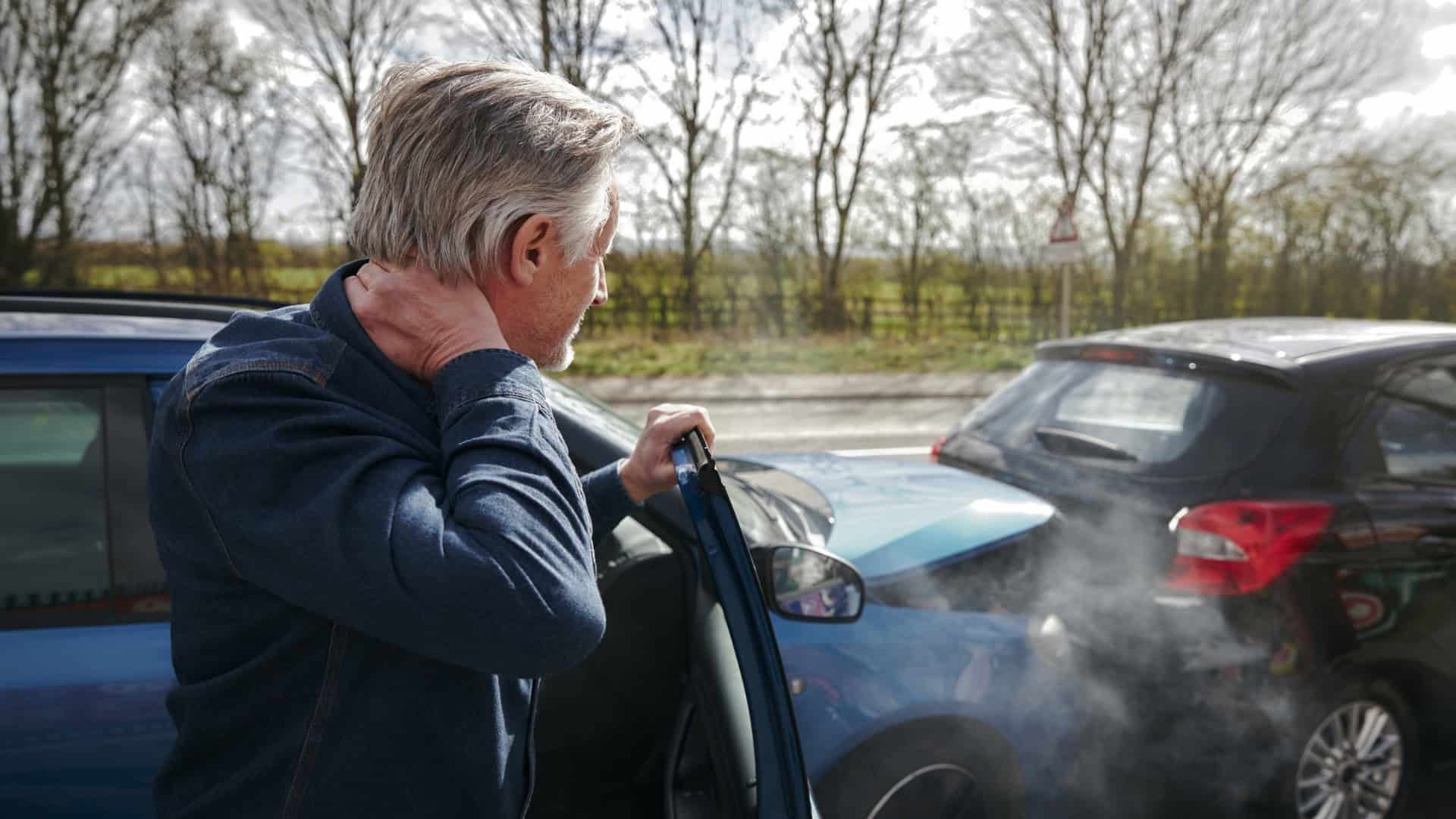
Lead Through Crisis: Steps to Take After a Texas Car Accident
Being involved in a car accident can be disorienting and distressful, yet it’s essential that leaders act decisively during such an incident. It is crucial that we remain calm under pressure in these instances to effectively navigate them. When faced with an accident, whether minor or more severe, how you react immediately following is of vital importance for physical recovery, legal outcomes and mental wellbeing. Leadership goes beyond managing teams; it also involves taking control of difficult situations yourself.
There are steps to take after a Texas car accident to help you regain control and protect your rights; these can provide the foundation for recovery. In this article we outline key actions you must take as well as key leadership qualities to guide you after Texas car accident.
1. Remain Calm and Focused in a Crisis
In any crisis situation, staying calm is absolutely key to maintaining control. Even when faced with an accident or emergency situation, staying composed is one of the hallmarks of leadership. Staying level-headed will enable you to make more effective decisions that protect both your safety and future. An accident can be shocking; taking time out for reflection is essential in making smarter choices in such circumstances.
Your emotional resilience plays a pivotal role in keeping you focused on ensuring both your safety and that of others in high-stress environments like car accidents. Clear thinking can make all the difference between an acceptable outcome and one that may prove fatal.
Maintaining a calm state of mind also allows you to assess your next steps logically. From calling emergency services and checking for injuries to exchanging details with other parties involved in an accident, staying calm is the key to staying in control. Intentional actions set an example for all those involved – making staying composed an essential leadership quality.
2. Ensuring Safety: Immediate Steps
One of the first leadership decisions you need to make after an auto accident is ensuring everyone’s safety. After surveying the scene, it’s crucial that you assess if anyone has been injured or is at risk from further accidents. If possible, move your vehicle out of traffic if possible, otherwise use your hazard lights or place reflective cones to alert other drivers about what has transpired. Once this has been accomplished, check all individuals involved – yourself included – for visible injuries as well as any internal ones such as concussions which might not immediately manifest themselves immediately after.
Leadership roles require them to take the initiative when it comes to safety issues, which means leading with initiative when it comes to emergencies or injuries that need medical care. You must direct the scene by calling emergency assistance, helping anyone injured, and taking charge of making sure all parties involved remain safe.
A compassionate approach may help the situation remain under control–reassuring those around you and staying calm as you wait for professional help to arrive.
3. Document the Incident as an Essential Step in Protecting Yourself
Once safety has been addressed, documenting an incident should become your top priority. Effective documentation can make or break your ability to recover compensation or prove innocence if at fault; taking control of this process demonstrates foresight as a leader of an incident. As part of this step, collect key information like names and contact details of everyone involved including witnesses as well as taking photographs of damage to all vehicles involved as well as any relevant details like skid marks or traffic signs in addition to damage assessment before gathering more detailed documentation later on in this section of step 3.
As you document, keep the legal implications in mind as you communicate. Avoid admitting fault or making statements that could jeopardize your case later on; even though this might seem like an unnecessary detail during a tumultuous situation. Effective leadership comes from knowing what not to say while providing facts and details accurately; organized documentation makes life easier for insurance providers or attorneys later on.
4. Knowing Your Legal Rights
At some point following an accident, you may realize the need for legal assistance. Understanding when and how to contact a personal injury lawyer is of vital importance – minor accidents may be manageable without representation but for more serious incidents it’s wiser to seek legal advice early as an experienced attorney can guide you through the often-complicatedlegal process and protect your rights.
As the leader of your own case, it’s essential that you recognize when your expertise falls short and seek professional guidance. Personal injury lawyers specialize in these matters and can assist in securing fair compensation as well as advice regarding settlements or negotiations that might prove challenging for you to manage on your own.
Seeking legal guidance not only protects but also gives confidence to move forward knowing you have someone experienced at your side.
5. Coordinating Your Health and Recovery: Exemplary Self-Care
In the aftermath of an accident, taking care to prioritize both your physical and psychological recovery is of vital importance. Even if you do not believe you are seriously hurt, visiting a physician for an examination should still be undertaken as many injuries such as whiplash and soft tissue damage may not immediately apparent to us.
Prioritizing our well-being can demonstrate leadership through prioritizing well-being while assuring full recovery; taking an active approach means adhering to any treatments/therapies recommended – both physically and psychologically.
Recovering from an accident requires both mental and physical resilience. Healing physically may take some time, while dealing with its emotional aftermath requires focus and support from friends, family or professional counselors to stay on the right path.
A positive outlook, following doctor orders and seeking emotional assistance are all effective tools in keeping recovery on track.
6. Building Confidence for Future Crises
Navigating the challenges arising from car accidents can serve as an invaluable lesson in leadership. You will develop valuable skills like staying calm under pressure, managing communications effectively, documenting key information and prioritizing health – these can all be applied elsewhere in life and could even serve as mentoring material for others
Whether its mentoring a colleague on how to cope with high-pressure situations or giving advice for personal crises; your leadership could inspire them all to take life’s challenges with courage and resilience.
Conclusion
Recovering from a Texas car accident requires careful thought, clear decision-making and leadership. By remaining calm and taking proactive measures to ensure safety, documenting incidents as they unfold, dealing with insurance companies when needed and seeking legal advice as needed, you can set yourself up for a quicker recovery process. Ultimately, it’s not about simply getting through an incident; rather it is about leading yourself through it while learning from experiences gained along the way and becoming stronger through it all.


