

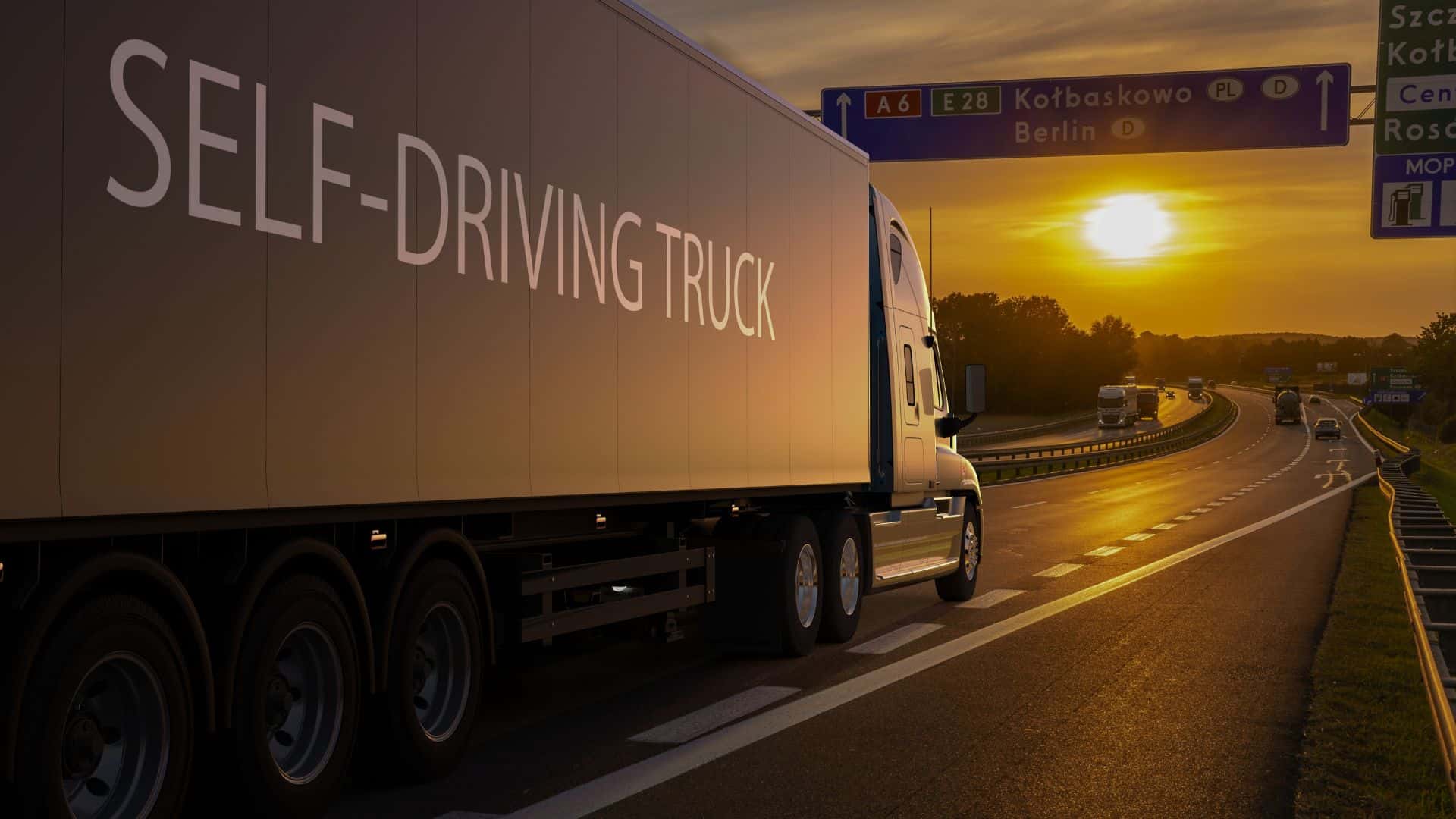
Legal Challenges in Autonomous Trucking: Preparing for the Future
Autonomous trucking is rapidly advancing, promising to revolutionize the transportation industry. However, this technology also brings many legal challenges that must be addressed to ensure safety, accountability, and regulatory compliance. Understanding how autonomous trucks work today, the potential legal issues and the future role of truck drivers can help prepare for the transformative impact of this technology.
The State of Autonomous Trucking Today
Autonomous trucking technology has made significant strides, with companies developing and testing self-driving trucks on public roads. These autonomous vehicles navigate and function using a mix of sensors, cameras, and artificial intelligence. While fully autonomous trucks are not widespread, pilot programs and limited deployments prove their potential.
Current autonomous trucks typically operate at Level 4 automation, meaning they can handle all driving tasks within specific conditions or areas but may require human intervention in complex situations. These advancements suggest a future where self-driving trucks could become a common sight on highways, significantly impacting logistics and freight transportation.
Potential Legal Issues with Autonomous Trucks
The rise of autonomous trucking presents several legal challenges, primarily related to liability in accidents. Determining fault in incidents involving self-driving trucks can be complex. Questions arise about whether the truck manufacturer, software developer, or operator should be held responsible. These scenarios necessitate reevaluating existing liability frameworks to address the unique aspects of autonomous vehicle technology.
Regulatory hurdles also pose significant challenges. Autonomous trucks operate across multiple jurisdictions, each with its own set of laws and regulations. Harmonizing these regulations to create a consistent legal environment for autonomous trucking is essential. Additionally, ensuring these vehicles meet stringent safety standards requires continuous monitoring and updating of regulatory policies.
According to a well-known truck accident lawyer in Indianapolis, addressing these challenges head-on will help ensure that the benefits of autonomous trucking are realized while minimizing potential risks.
The Future Role of Truck Drivers
As autonomous trucks become more prevalent, the role of truck drivers will inevitably evolve. While some fear job displacement, others anticipate new opportunities for drivers to engage in supervisory roles or manage fleets of autonomous vehicles. Transitioning to these new roles will require comprehensive retraining programs and a shift in how the industry views the truck driving profession.
Drivers might shift from physically operating the trucks to overseeing their performance, managing logistical operations, and ensuring compliance with safety protocols. This transition could enhance freight transportation’s overall safety and efficiency, though it will require significant adaptation by both drivers and industry stakeholders.
Ensuring Safety and Accountability
Safety remains a paramount concern in the deployment of autonomous trucks. Robust testing protocols and rigorous safety standards must be established to prevent accidents and ensure the technology operates reliably under various conditions. Regular updates and software and hardware maintenance are necessary to address potential vulnerabilities and improve performance.
Accountability mechanisms must be clear and enforceable. In the event of an accident, identifying the responsible party and determining the cause will be crucial. Legal frameworks must evolve to accommodate these scenarios, providing a transparent process for resolving disputes and ensuring victims receive fair compensation.
Addressing Public Concerns and Ethical Issues
Public perception of autonomous trucks significantly influences their acceptance and adoption. Addressing concerns about safety, job displacement, and privacy is essential. Transparent communication from manufacturers, regulators, and industry leaders can help build trust and mitigate fears.
Ethical considerations, such as decision-making in emergencies, must also be addressed. Autonomous systems must be programmed to handle moral dilemmas, such as choosing between two harmful outcomes. Establishing ethical guidelines for these scenarios will be vital to gaining public trust and ensuring the responsible deployment of autonomous trucking technology.
These guidelines should be developed with input from ethicists, engineers, and the public to reflect various perspectives and values. Additionally, creating oversight committees to monitor and review the ethical implications of autonomous truck operations can ensure ongoing accountability and adherence to these principles.
Preparing for the Autonomous Trucking Revolution
As autonomous trucking technology continues to evolve, being one of the most watched automotive trends these days, so must the legal and regulatory frameworks governing it. Proactive measures, including updating liability laws, harmonizing regulations, and retraining the workforce, are essential for a smooth transition.
The future of autonomous trucking holds immense promise for improving efficiency and safety in the transportation industry. However, realizing this potential requires careful planning, collaboration, and a willingness to adapt to new realities.


