

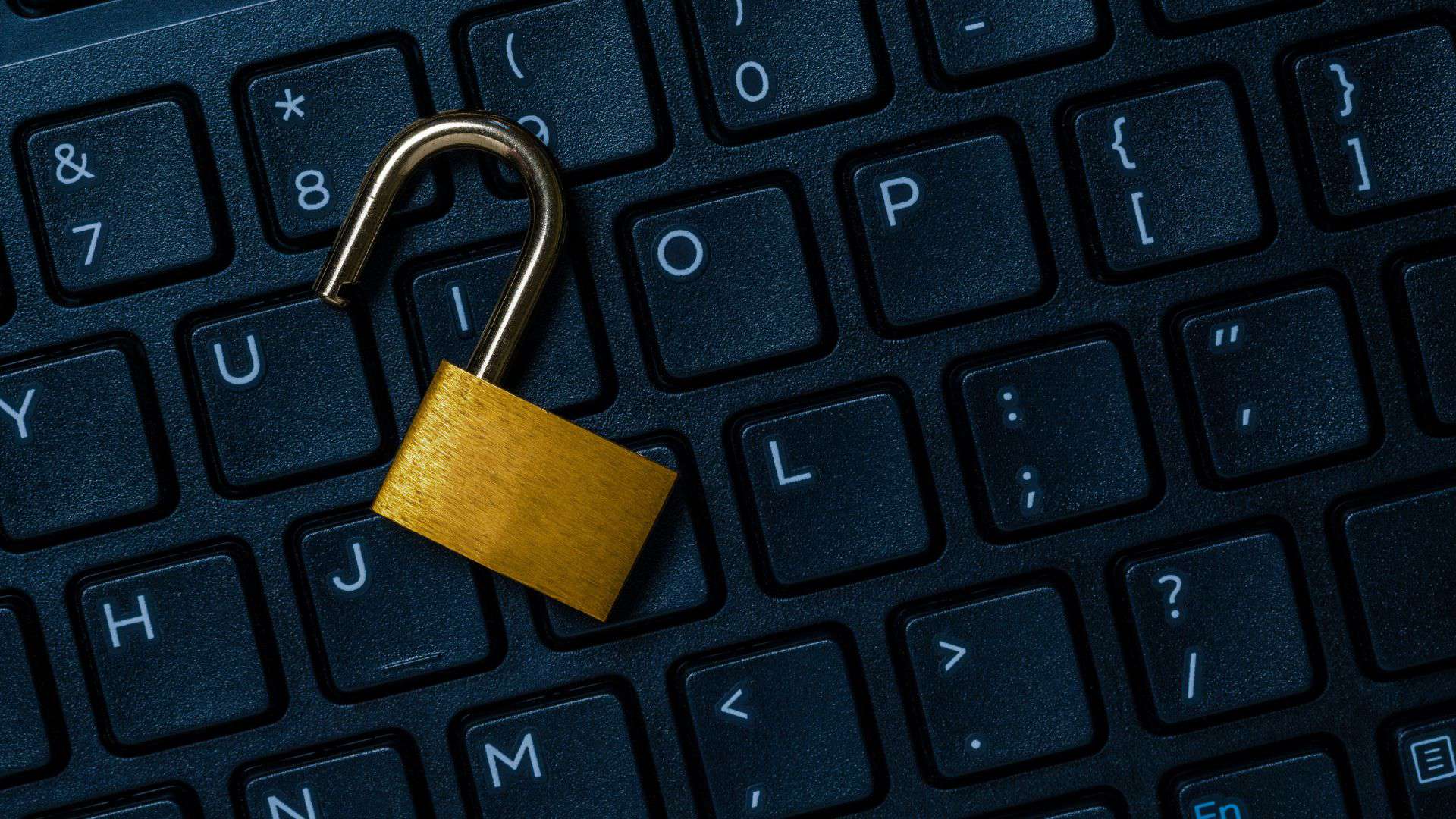
The Growing Threat of Data Breaches: Protecting Your Online Presence
As more and more of our lives are lived digitally, our online presence has grown from being an extension of our identity to the core of our professional and personal interface. But for influencers, entrepreneurs, and public figures, that just raises the stakes: your digital identity is your brand, livelihood, and connection to the world. However, with a greater digital presence comes a higher key risk: data breaches. As cyber threats continue to evolve, protection in the digital world becomes more critical than ever.
The Dark Side of Digital Fame: Data Breach in the Spotlight
Data breaches aren’t anything new, but the menace keeps on getting increasingly sophisticated and is spreading with each passing year. But one of the high-profile incidents was indeed the 2014 iCloud hack, which exposed private photos of celebrities, though far from the last.
It was because of a phishing attack wherein hackers posed as entities to make people give up their login credentials. This is a wake-up call-the vulnerability in traditional password systems brought out the dire need for strong security measures.
Since then, a series of breaches has become part of the public consciousness, each one more fearfully imaginable than the last.
In 2017, the Equifax breach made known the personal details of 147 million people-including Social Security numbers, birth dates, and addresses-exposed. The breach was caused by a vulnerability in one of its web applications; hackers attacked it to gain sensitive data. This incident turned out to be a wake-up call that very large and otherwise secure institutions also fall within the gamut of cyber threats.
The 2021 ransomware attack on Colonial Pipeline-a major United States fuel supplier-led to widespread fuel shortages up and down the East Coast. “Attackers had gained access to some of the company’s systems through a password compromise”, making password-based security another reason why hackers continue to find ways to access supposedly secure systems.
More recently, Uber suffered a data breach in 2022, wherein personal information belonging to both users and drivers was compromised. In the hack, social engineering had been used to access Uber’s protected systems. It was a clear-eyed reminder that even robust systems would be vulnerable to being hacked if the human element was threatened.
The Weakest Link: Passwords and Vulnerabilities
Each of these breaches has one thing in common: the exploitation of weak or compromised passwords. As much as cybersecurity risks have made headlines often, it would seem that many people these days still use easily guessed passwords or reuse the same ones across a number of accounts.
With this practice, you give them a weak link in your digital security, a channel to access all of your accounts with ease.
Passwords, even complex ones, are susceptible to numerous types of attacks, such as phishing, brute force attacks, and social engineering. Phishing is a methodology that has been most effective for cybercriminals in committing password thefts, something which was very well evident in the 2014 iCloud hack among many since then.
Passwords have one fundamental problem: they are based on something you know-a piece of information that may be guessed, stolen, or coerced out of you. When a hacker has your password, they have the keys to your digital kingdom, potentially compromising everything from your email to your bank account.
Beyond Passwords: The Rise of Passwordless Authentication
The good news is that the cybersecurity landscape continues to evolve; new technologies seek to address the vulnerabilities of password-based systems.
This makes passwordless authentication one of the most promising new developments. Instead of a thing you know (a password) passwordless authentication leverages either something you have (a device), or something you are (biometric data such as fingerprints or facial recognition) to verify your identity.
The best example of such an innovation is Passkeys. They allow authentication of your identity by securely storing cryptographic keys on your device and never even using passwords. Because the cryptographic key leaves your device, it’s virtually impossible for hackers to intercept or steal it.
This method of authentication is even further safer and, at the same time, more convenient. Imagine just logging into your accounts with a touch, a light quick scan of your face or with one tap on your phone, no more forgotten passwords or frustrating resets.
Protecting Your Digital Life: Why Bother?
For influencers, entrepreneurs, and public figures alike, it’s about more than avoiding inconvenience but actually about protecting your online presence.
Safeguard your reputation, your audience, and your livelihood: a data breach will lead to lost followers, credibility damage, and even financial loss in case of sensitive information exposure.
By embracing passwordless authentication, one of the biggest steps is made to secure one’s digital identity. This can well be called a very proactive step, one that assures your audience that their trust means something to you and that you are committed to securing your interactions online.
Actions You Can Take Today
Adopt Passwordless Authentication: Move to passwordless options, where available on different platforms, using passkeys, biometric logins, or others. That’s arguably one of the best ways to safeguard your accounts from breaches.
Enable Two-factor Authentication (2FA): Until passwordless becomes common, 2FA on all your accounts is the next best thing. It’s a setup that requires an additional layer through another form of verification, such as a code sent to your phone.
Be Phishing-Savvy: Be suspicious of emails and messages, especially those asking for personal information. Verify the sender before clicking links or disclosing any information.
Regular Account Monitoring: Be regularly monitoring accounts for suspicious activities. The sooner you find a potential breach, the quicker the reaction to limit the problem.
Conclusion
Data breaches are not an option; they are a fact in the digital world and can bring one to their knees.
The 2014 iCloud hack was only the first in a series of complex attacks that has shown just how weak we all are when relying on passwords alone.
Going beyond traditional password systems to more innovative security measures, such as passwordless authentication, will significantly reduce your risk and lock in your online presence.
Your digital identity is irreplaceable-protect it now against an ever-evolving threat matrix!


