

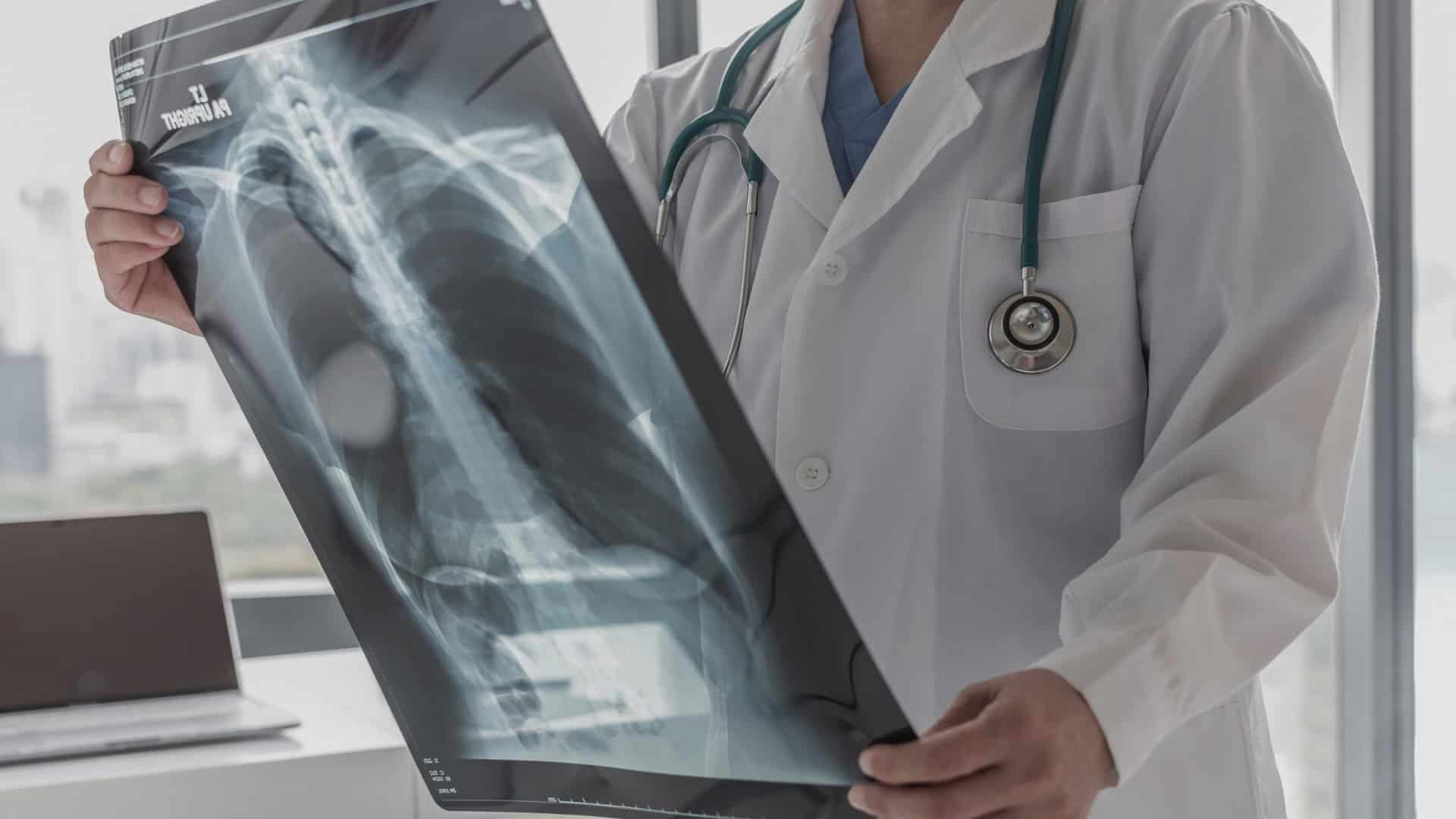
Bridging the Gap: AI and Human Expertise in Radiology
The fusion of artificial intelligence (AI) with human expertise has been a significant focus across many industries, and radiology is no exception. As healthcare technology advances, the collaboration between AI systems and radiologists has become an essential element in enhancing diagnostic accuracy, improving patient outcomes, and optimising workflow. While AI holds remarkable potential, human oversight remains a crucial aspect, ensuring that the use of these technologies is safe, ethical, and clinically effective. This balance is what makes the integration of AI in radiology both powerful and promising. AI has made its presence known in radiology through various applications such as medical imaging, detection of anomalies, and workflow automation. Machine learning algorithms are trained to recognise patterns in vast amounts of data, allowing AI to assist radiologists in identifying conditions such as tumours, fractures, or other abnormalities. AI can process images much faster than humans and highlight potential problem areas that might require further scrutiny. For instance, AI tools can help analyse CT scans or MRIs, providing a second set of ‘eyes’ to reduce the risk of human error. According to Bayer, AI-powered tools can assist in identifying and prioritising stroke cases in emergencies, as well as aid in early cancer detection. This technology has proven to be particularly effective in detecting early-stage cancers, which could be easily missed in the initial analysis. Nevertheless, while AI can process and highlight findings, it still relies on human expertise in radiology to interpret the context of the results, make final decisions, and engage with patients.
Enhancing Workflow Efficiency
One of the significant benefits of integrating AI in radiology is the improvement in workflow efficiency. AI can automate routine and time-consuming tasks, such as sorting through large sets of images, prioritising urgent cases, and even generating preliminary reports. This allows radiologists to focus on more complex cases that require their specialised expertise, ensuring that their time is used efficiently.
In busy hospital environments where speed is critical, AI systems can assist in triaging cases by rapidly processing patient data. For example, an AI system might flag a scan showing a life-threatening condition, ensuring that the case is brought to the immediate attention of a radiologist for further examination.
Human Expertise: The Essential Element
While AI brings speed and accuracy, it is the human element that remains indispensable in radiology. AI, despite its remarkable ability to analyse images, cannot replicate the clinical reasoning and judgement that human radiologists possess. For instance, AI might detect abnormal growth, but it is up to the radiologist to determine whether it is benign or malignant, based on factors beyond what the AI can evaluate, such as patient history, symptoms, and other clinical information.
Furthermore, radiologists play a vital role in explaining results to patients and providing personalised care. No AI can replace the value of human communication in conveying complex medical information with empathy and clarity. The expertise of radiologists also ensures that AI’s outputs are contextualised correctly, avoiding over-reliance on the technology and preventing errors that could arise from a machine-only approach.
Human radiologists provide invaluable insights that surpass AI capabilities, highlighting the importance of clinical judgment and patient interaction. Their ability to integrate clinical factors like patient history and symptoms with imaging results leads to accurate diagnoses and personalised care. This human-centric approach enhances AI technology, ensuring patients receive comprehensive healthcare. Visit insideradiology.com.au for more insights and resources.
Addressing Challenges and Ethical Considerations
Despite the benefits of AI, challenges and ethical considerations must be addressed in its implementation. A key issue is an algorithmic bias, where AI systems may unintentionally favour certain demographic groups based on the training data. This can lead to disparities in diagnostic accuracy and requires careful monitoring.
Data privacy is also a significant concern, as AI systems need access to large volumes of patient data to function effectively. It’s crucial to ensure that AI systems comply with privacy regulations and maintain strict confidentiality in healthcare settings.
Radiologists must be trained to work with AI systems, enabling them to interpret AI-generated data and integrate it with their expertise. The partnership between AI and human radiologists will require ongoing learning and adaptation to maximise the technology’s potential while ensuring patient safety.
AI and Radiology Collaboration
As AI continues to advance, its role in radiology will grow, offering more sophisticated tools for diagnostics and workflow efficiency. However, it is unlikely to replace radiologists. The future lies in collaboration, where AI enhances radiologists’ abilities, combining the speed and accuracy of technology with human expertise. This synergy ensures better diagnoses and patient care, bridging the gap between AI and human insight, and ultimately benefiting both practitioners and patients.


